

Articles
11 Amazing Monkey Fan for 2024
Modified: January 6, 2024
Discover the top 11 monkey fan picks for 2023. Stay cool and stylish with these amazing monkey-themed fans. Find your perfect monkey fan today!
(Many of the links in this article redirect to a specific reviewed product. Your purchase of these products through affiliate links helps to generate commission for Storables.com, at no extra cost. Learn more)
Are you looking for the perfect monkey fan to keep you cool and stylish in 2023? Look no further! In this article, we will explore 11 amazing monkey fans that are sure to impress. Whether you want a fan for your home or office, we have you covered. From sleek and modern designs to fun and funky patterns, these fans are both functional and fashionable. Stay tuned to discover the hottest monkey fans of 2023!

Overall Score: 7.8/10
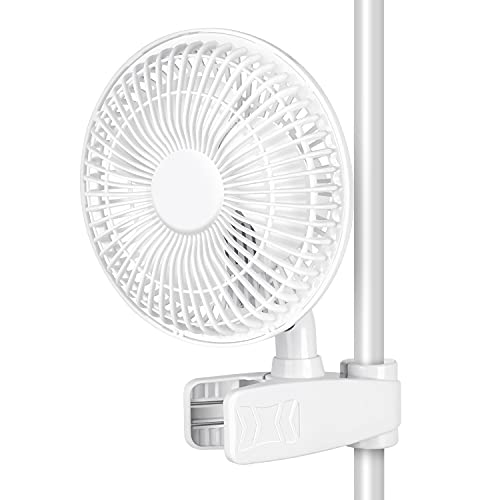
The HealSmart Tent Poles Clip Fan is a compact, lightweight, and powerful fan that can be easily clipped onto surfaces up to 2 inches thick. Its unique design and adjustable angles allow for vertical and horizontal rotation, providing cool wind from any direction within a 90° range. With a high-quality motor, this fan offers a maximum wind speed of 10.5ft/s while maintaining low noise levels. It is suitable for various scenarios, including home, office, gym workouts, camping, and more. The fan comes in a simple white color and has a 53-inch cord length for easy placement. Overall, it is an affordable and convenient cooling solution.
Key Features
- Unique design with lightweight construction
- Compact size and 53-inch cord length
- Vertical and horizontal rotation within 90° range
- Powerful motor with stepless speed regulation
- Suitable for multiple scenarios
Specifications
- Color: White
- Dimension: 8.00Lx7.50Wx11.00H
- Size: Clip Fans 1 Pack
Pros
- Compact and portable design
- Powerful airflow with low noise
- Adjustable angles for personalized cooling
- Versatile usage in various locations
- Affordable price
Cons
- Lack of oscillation
- Clamp may not hold tightly
- Not the most powerful fan
The HealSmart Tent Poles Clip Fan is a practical and budget-friendly option for those in need of a compact fan with adjustable angles. Its lightweight design and long cord length make it highly portable and easy to position in different environments. While it lacks oscillation and may have some issues with the clamp’s grip, the fan still delivers powerful airflow with minimal noise. It is suitable for use in different scenarios, whether at home, in the office, or during outdoor activities. Overall, if you’re seeking an affordable cooling solution that provides flexibility in directing the air, this fan is certainly worth considering.

Overall Score: 8/10
The Arctic Monkeys Songs, Quiz/Trivia, Music Player, Lyrics, & News app is the ultimate companion for any Arctic Monkeys fan. With a wide range of features, this app provides a comprehensive experience for fans to enjoy their favorite band's music, test their knowledge with a custom trivia/quiz, and stay up to date with the latest news. It's like having four apps in one, offering tons of music streaming and lyric sources, a high score system for competitive trivia, and access to a variety of news sources. Whether you're a die-hard fan or just discovering the Arctic Monkeys, this app has something for everyone.
Key Features
- Tons of Arctic Monkeys Music Streaming Sources
- Tons of Arctic Monkeys Lyric Sources
- CUSTOM fan created Arctic Monkeys TRIVIA / QUIZ with tons of questions
- High score system for competitive trivia
- A Huge number of Arctic Monkeys news sources
- The ultimate Arctic Monkeys fan app
- Essentially this is 4 apps for the price of 1
Specifications
Pros
- Wide range of Arctic Monkeys music streaming and lyrics sources
- Custom trivia/quiz adds an interactive and competitive element
- Access to numerous news sources keeps fans up to date
- Multiple features make it a great value for the price
Cons
The Arctic Monkeys Songs, Quiz / Trivia, Music Player, Lyrics, & News app is a must-have for any Arctic Monkeys enthusiast. It offers a seamless experience for exploring their music library, testing your knowledge with engaging quizzes, and staying in the loop with the latest news. The app’s extensive selection of music streaming and lyrics sources ensures that fans can enjoy their favorite tracks anytime, anywhere. The custom trivia/quiz feature adds a fun and competitive twist, making it a hit among fans looking to challenge themselves. With its comprehensive features and impressive value for the price, this app is the ultimate companion for any Arctic Monkeys fan. Get ready to dive deep into the world of Arctic Monkeys with this fantastic app!
Overall Score: 8/10
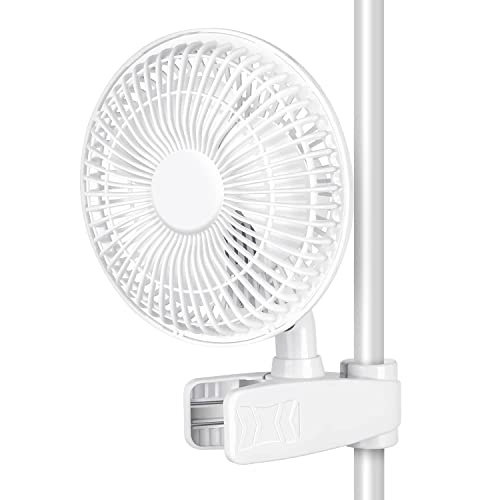
The InfiniPower Clip Fan is a versatile and effective fan that is specifically designed for use in grow tents. With its anti-slip clamp, it securely attaches to grow tent poles, ensuring a stable and secure vertical hold. The fan offers two adjustable speed settings, allowing for customizable airflow to meet the specific needs of your plants. Its powerful motor delivers a maximum wind speed of 10.5ft/s while maintaining low noise levels. The 90° adjustable head tilt enables easy air circulation throughout the grow tent. Additionally, the Monkey Fan can be used in various scenarios, such as home, office, gym, car backseat, and outdoor activities.
Key Features
- Anti-slip clamp for secure attachment to grow tent poles
- 2 adjustable speed options for customizable airflow
- Powerful motor with low noise and stepless speed regulation
- 90° adjustable head tilt for easy air circulation
- Suitable for multiple scenarios and environments
Specifications
- Color: White
- Dimension: 8.00Lx7.50Wx11.00H
- Size: 6-Inch
Pros
- Secure and stable attachment to grow tent poles
- Customizable airflow options
- Powerful motor for efficient air circulation
- Low noise operation
- Versatile usage in various scenarios
- Easy to adjust head tilt for optimal air circulation
Cons
- Limited color options
- Only available in a single size (6-Inch)
The InfiniPower Clip Fan is a reliable and versatile choice for those looking to enhance air circulation in grow tents. With its anti-slip clamp and adjustable head tilt, it ensures a secure attachment and optimal airflow. The fan’s powerful motor and low noise operation make it suitable for both day and night use. It is also a versatile option, allowing for usage in various scenarios. While it may have limited color options and sizes, the fan’s overall performance and functionality outweigh these minor drawbacks. If you’re in need of a high-quality grow tent fan, the InfiniPower Clip Fan is a solid choice.
Overall Score: 7/10
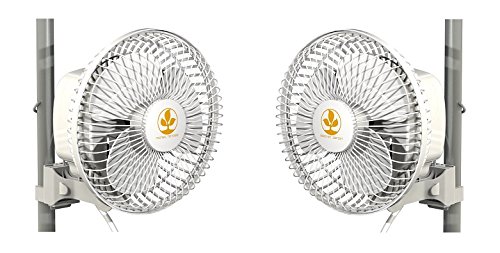
The SECRET JARDIN Monkey Fan is a perfect product for keeping air circulating in your crops. It fits poles ranging from 0.63" to 0.83" and can be attached quickly to any type of grow tent pole. With a 90-day warranty and a 2 pack deal, this fan provides reliable airflow for your plants. It has received a customer rating of 3.9/5.
Key Features
- Ships in 24 HOURS, Don't believe the Estimated Date
- Perfect for keeping air circulating throughout your crops
- Fits 0.63" – 0.83" inch grow tent poles
- Monkey fan hook allows for quick attachment to any pole
- 90 Day Warranty
- 2 Pack Deal
Specifications
- Dimension: 12.00Lx8.00Wx8.00H
Pros
- Reliable and sturdy
- Easy to adjust on the corner poles of a grow tent
- Long cords for flexible placement
- Simple to put together
Cons
- No oscillation feature
- Limited fan speed
- Some units prone to motor failure
- Fan movement may stop working after a few weeks
The SECRET JARDIN Monkey Fan offers a reliable and sturdy solution for circulating air in your grow tent. With its easy attachment to any type of pole, this fan provides efficient airflow for your plants. While it lacks an oscillation feature and has limited fan speed, it offers a simple and effective solution for maintaining a healthy growing environment. However, some users have reported motor failures and issues with the fan movement after a few weeks of use. Overall, the SECRET JARDIN Monkey Fan is recommended for medium-sized grow tents where a more robust air circulation system is not required.

Overall Score: 8.7/10
The Yellow Monkey – Fan Selection Album is a limited edition CD featuring a compilation of popular songs by the Japanese rock band, The Yellow Monkey. The album includes a photo mosaic art booklet featuring fan-submitted photos and a bonus DVD with archival footage and interviews. While the album is geared towards core fans, it offers a nostalgic trip down memory lane for those familiar with the band's music. The DVD is a highlight, packed with rare television appearances and behind-the-scenes content. Overall, this album offers a satisfying collection of The Yellow Monkey's music and provides a glimpse into the band's history and evolution.
Key Features
- Limited edition CD
- Photo mosaic art booklet featuring fan-submitted photos
- Bonus DVD with archival footage and interviews
Specifications
- Dimension: 11.81Lx3.94Wx7.87H
Pros
- Includes a compilation of popular songs by The Yellow Monkey
- Nostalgic trip down memory lane for fans
- Bonus DVD with rare television appearances and behind-the-scenes content
Cons
- Limited appeal to non-fans or beginners
- Artwork and lyrics booklet could be more visually appealing
The Yellow Monkey – Fan Selection Album is a must-have for hardcore fans of the band. With a compilation of popular songs, a photo mosaic art booklet, and a bonus DVD packed with rare footage, this limited edition CD offers a comprehensive look into The Yellow Monkey’s music and history. While the album may not appeal to non-fans or beginners, it serves as a nostalgic trip down memory lane for longtime supporters. The included bonus DVD provides an exciting glimpse into the band’s television appearances and behind-the-scenes moments. Overall, this album showcases the talent and appeal of The Yellow Monkey, and is a great addition to any fan’s collection.
Overall Score: 7.5/10
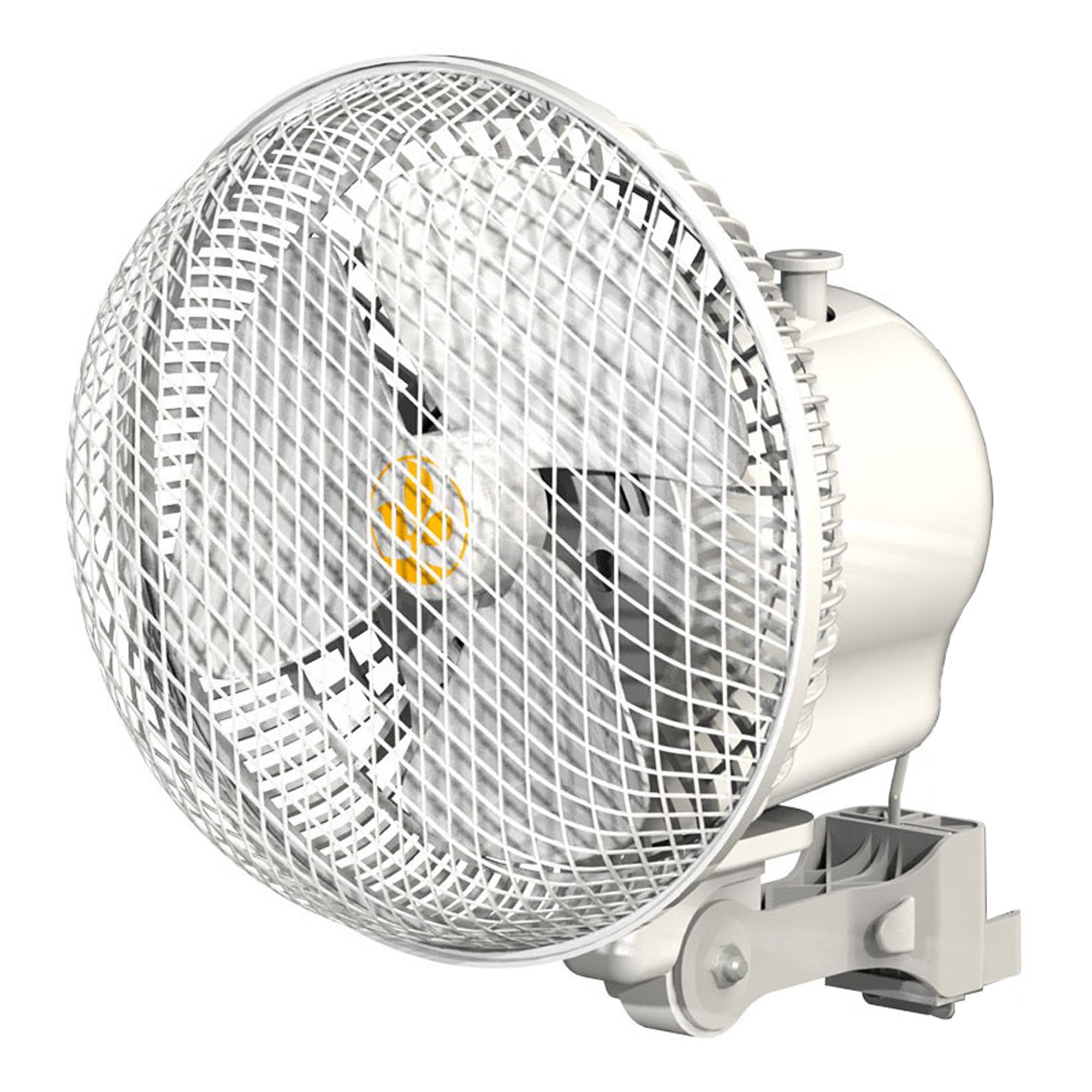
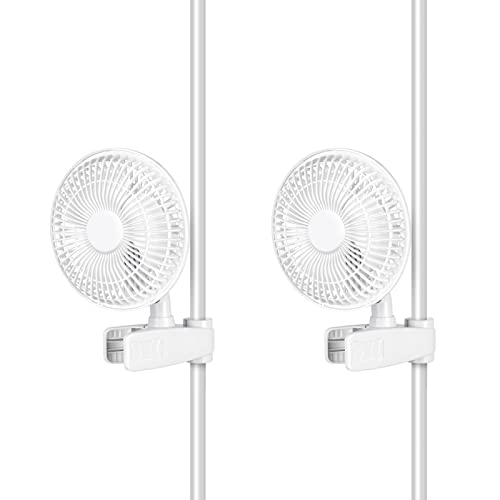
The Simple Deluxe 6-Inch Grow Tent Poles Clip Fan is a lightweight and powerful table fan. With its unique white design and compact size, it can be easily placed or clipped anywhere you want. It is great for home, office, laptop, gym workout, car backseat, outdoors, camping, and trips. The fan features a high-quality motor with a maximum wind speed of 10.5ft/s and low noise. It has stepless speed regulation and manual adjustment within a vertical 90° angle. The fan comes with a 53-inch cord length and can be clipped up to a 2-inch thickness. The Simple Deluxe Clip Fan is perfect for providing a cool breeze in various scenarios.
Key Features
- UNIQUE DESIGN: Original simple white design
- COMPACT SIZE: Handy and lightweight with vertical and horizontal rotation
- MULTIPLE SCENARIOS: Can be placed or clipped anywhere
- POWERFUL FAN: High-quality motor with stepless speed regulation
- MANUAL ADJUSTMENT: Cooling wind from any directions within 90° vertical angle
Specifications
- Color: White
- Dimension: 8.00Lx7.50Wx11.00H
- Size: White Clip
Pros
- Compact and powerful
- Versatility in placement
- Quiet operation
- Easy to install
Cons
- Limited fan speeds
- May not fit on all surfaces
- Some noise and vibrations
The Simple Deluxe 6-Inch Grow Tent Poles Clip Fan is a functional and reliable fan with a sleek design. While it may have limited fan speeds and some noise issues, its compact size, powerful performance, and easy installation make it a great choice for various scenarios. Whether you need a cool breeze at home, in the office, or while on the go, this clip fan delivers. With its adjustable angles and long cord length, it offers flexibility in directing airflow. Overall, the Simple Deluxe Clip Fan is a practical and efficient solution for anyone in need of a portable and efficient fan.
Overall Score: 8/10
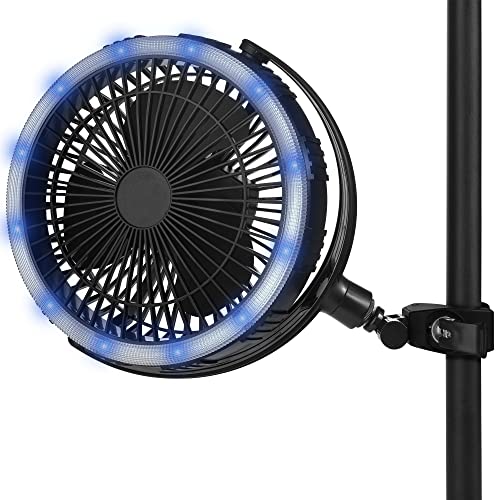
The 8 Inch Tent Poles Clip Fan is a powerful and quiet fan designed for indoor hydroponic plants. It features a brushless motor and aerodynamic blades that deliver strong yet quiet airflow. With 3 adjustable speeds, it provides adequate ventilation for house plants. The fan also comes with a built-in LED grow light with 3 light modes and 4 brightness settings, providing the optimal light conditions for plant growth. The fan includes a strong clamp that can be fixed on tent poles and has a 360° rotation for easy installation. It also has auto-off timers and is powered by USB, making it safe and easy to use. Overall, it's a great fan for indoor gardening and plant growth.
Key Features
- Powerful & quiet airflow
- LED grow light with 3 light modes and 4 brightness settings
- Strong clamp for easy installation
- Auto-off timers
- Safe & easy to use with USB power
Specifications
- Color: Black
- Dimension: 10.00Lx9.90Wx3.60H
Pros
- Powerful airflow with quiet operation
- Versatile LED grow light with adjustable settings
- Strong clamp for easy installation
- Auto-off timers for convenience
- Safe and easy to use with USB power
Cons
- No oscillating feature
- Some issues with the fan turning off
The 8 Inch Tent Poles Clip Fan is a highly functional and versatile fan for indoor hydroponic plants. It offers powerful and quiet airflow, along with a built-in LED grow light that provides the perfect light conditions for plant growth. The fan is easy to install with its strong clamp and offers the convenience of auto-off timers. Powered by USB, it is safe and easy to use. While it lacks an oscillating feature and some users experienced issues with the fan turning off, overall it is a reliable and effective fan for indoor gardening. Whether you have potted plants or a hydroponic setup, this fan is a great addition to promote healthy plant growth.
Overall Score: 6.5/10
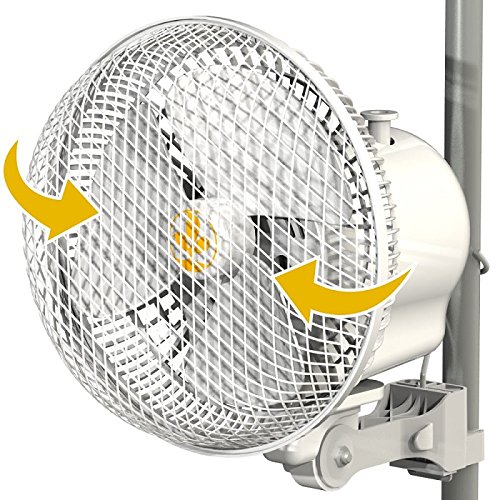
The Secret Jardin Version 2.0 Oscillating Monkey Fan is a high-quality fan designed to fit 0.63"- 0.83" inch grow tent poles. It provides excellent airflow and has a convenient hanging setup to easily mount on the pole. The fan is built to be durable and reliable, ensuring a long-lasting performance. It comes with two interchangeable clips, allowing for versatile use with different diameter poles. The fan is easy to install and operates quietly, ensuring optimal air circulation without disturbing your plants. While the fan has received mixed reviews, some customers have experienced issues with durability and noise. Despite these drawbacks, the Secret Jardin Version 2.0 Oscillating Monkey Fan offers decent performance and functionality for those in need of a tent fan.
Key Features
- Fits 0.63"- 0.83" inch grow tent poles
- Provides excellent airflow
- Convenient hanging setup
- Durable and reliable construction
- Quiet operation
Specifications
- Dimension: 9.00Lx8.00Wx10.00H
Pros
- Good airflow
- Easy installation
- Versatile use with different diameter poles
Cons
- Mixed reviews on durability
- Some customers experienced noise issues
- Relatively expensive
The Secret Jardin Version 2.0 Oscillating Monkey Fan is a decent fan option for grow tents. While it offers good airflow and a convenient hanging setup, it has received mixed reviews regarding durability and noise. The fan’s design allows for easy installation and versatile use with different diameter poles. However, it is relatively expensive compared to other similar fans on the market. If you are in need of a tent fan for optimal air circulation in your grow tent, the Secret Jardin Version 2.0 Oscillating Monkey Fan can be a suitable choice, but be aware of the potential drawbacks.
Overall Score: 7.5/10
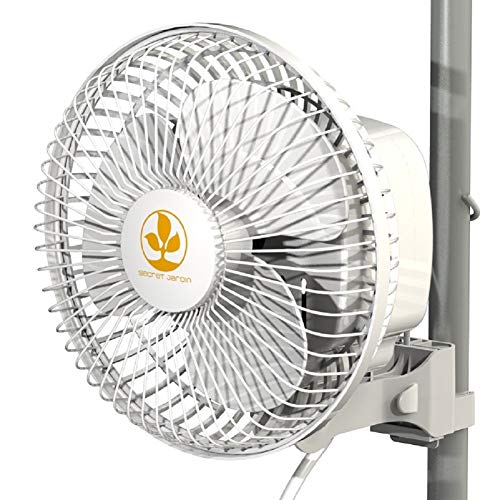
The Secret Jardin Monkey Fan is a 16w Watts 6 Inch clip fan designed to fit 0.63-0.83 inch grow tent poles. It provides a good airflow for your grow tent, helping to circulate air and maintain the proper temperature for your plants. The fan is solid and sturdy, making it durable and long-lasting. However, some users have reported issues with the fan's lifespan and oscillation function. While it is more expensive than other options on the market, it is a reliable choice for those looking for a high-quality fan to use in their grow tent.
Key Features
- 16w Watts
- 6 Inch clip fan
- Fits 0.63-0.83 inch grow tent poles
Specifications
- Dimension: 6.00Lx8.00Wx6.00H
Pros
- Solid and sturdy
- Provides good airflow
- Durable and long-lasting
Cons
- Short lifespan reported by some users
- Issues with oscillation function
- Expensive compared to other options
Overall, the Secret Jardin Monkey Fan is a reliable choice for those in need of a high-quality clip fan for their grow tent. It offers good airflow, is solidly built, and durable. However, some users have reported issues with the fan’s lifespan and oscillation function. While it may be more expensive than other options, it is a worthy investment for those who prioritize reliability and long-lasting performance.
Overall Score: 8/10
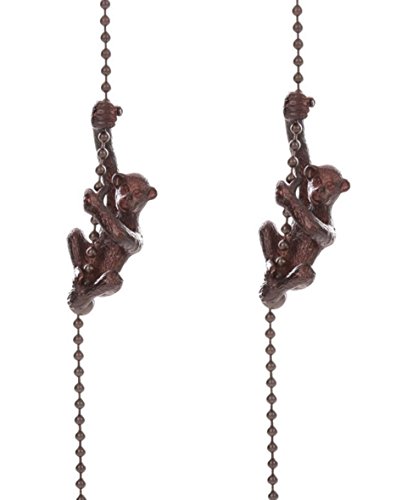
Add a playful touch to your ceiling fan with the Upgradelights Pair of Oil Rubbed Bronze Monkey Fan Pulls. These adorable fan pulls are made from high-quality materials and feature a charming monkey design. With their oil rubbed bronze finish, they can instantly update the look of your ceiling fan. Measuring approximately 2 inches in height and 1 inch in width, they are the perfect size to enhance your fan's aesthetic. Installation is easy as they can be clipped onto the existing fan chain. The Upgradelights Monkey Fan Pulls are not only cute but also durable, adding a touch of whimsy to any room.
Key Features
- Pair of Oil Rubbed Bronze Monkey Fan Pulls
- Dimensions: approximately 2 inches in height and 1 inch width
- Oil rubbed bronze finish
- Update the look of your ceiling fan in an instant
Specifications
- Color: Oil Rubbed Bronze
Pros
- Adorable monkey design
- Easy installation
- Durable construction
- Instantly updates the look of your ceiling fan
Cons
- Heavy pulls may cause chain retraction issues
If you’re looking to add some whimsy and personality to your ceiling fan, the Upgradelights Pair of Oil Rubbed Bronze Monkey Fan Pulls are a fantastic choice. These adorable monkey fan pulls are not only cute but also made from high-quality materials. The oil rubbed bronze finish adds a touch of elegance, instantly updating the look of your ceiling fan. The installation is a breeze, simply clipping onto the existing fan chain. However, keep in mind that the pulls are quite heavy, which may cause issues with chain retraction. Overall, these monkey fan pulls are a fun and charming addition to any room.
Overall Score: 7.5/10
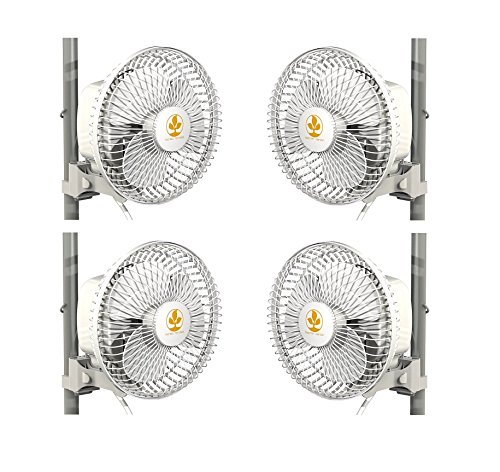
The Secret Jardin Monkey Fan is a versatile and easily movable fan designed for use in grow tents. It fits 0.63" – 0.83" inch grow tent poles and comes in a pack of 4. This fan is non-oscillating but provides sufficient coverage for a 5×5 tent when multiple fans are used. It comes with three different size pole clips to fit all types of tents. While some users have reported issues with the fan's durability and performance, others have found it to be a quality product that works well for their needs. The Secret Jardin Monkey Fan receives a customer rating of 4.2 out of 5.
Key Features
- Versatile and easily movable
- Fits 0.63" – 0.83" inch grow tent poles
- Pack of 4
- Non-oscillating
- Includes three different size pole clips
Specifications
- N/A
Pros
- Versatile and easily movable
- Provides sufficient coverage for a 5×5 tent
- Includes three different size pole clips
Cons
- Some users have reported durability issues
- May not be as powerful as desired for some users
Despite some reported issues with durability and performance, the Secret Jardin Monkey Fan is a versatile and convenient option for those in need of a fan for their grow tents. It offers sufficient coverage for a 5×5 tent when multiple fans are used and comes with three different size pole clips to accommodate different tent types. While it may not be the most powerful fan on the market, it serves its purpose well for most users. However, it’s important to note that some users have experienced durability issues, so it’s advisable to consider this before making a purchase.
Buyer's Guide: Monkey Fan
Are you looking to add a touch of whimsy and playfulness to your space? Look no further than the delightful and charming monkey fan! These unique and eye-catching fans not only provide a refreshing breeze but also serve as decorative pieces that bring joy and character to any room. Wondering how to choose the perfect monkey fan? We've got you covered with this comprehensive buyer's guide. Let's dive right in!
Read also: 11 Amazing Corsair Fan for 2024
Monkey Fan Features to Consider:
- Size: Monkey fans come in various sizes, so consider the dimensions of your room and the available space. A larger fan may be more suitable for spacious areas, while a smaller one can fit perfectly in compact spaces.
- Design and Aesthetics: Monkey fans come in different styles and finishes, from realistic and detailed silver-back gorillas to brightly colored playful monkeys. Choose a design that matches your personal taste and complements your existing decor.
- Functionality: Look for a monkey fan that not only looks great but also works efficiently. Pay attention to airflow power, blade design, and fan speed options. You want a fan that effectively circulates air while adding a touch of playfulness to your space.
- Quiet Operation: Ensure that the monkey fan you choose operates quietly, allowing you to relax and enjoy a peaceful environment. No one wants a mischievous monkey fan that's louder than the jungle!
- Adjustability: Check if the fan is adjustable to different angles. This feature can help you direct the airflow where you need it most.
- Sturdiness and Durability: Look for a monkey fan made of high-quality materials that can withstand regular use. You don't want your beloved monkey fan to lose its charm after just a few weeks!
- Ease of Use: Consider the ease of installation and operation. Look for monkey fans that come with user-friendly instructions and controls.
- Energy Efficiency: Opt for monkey fans that are energy-efficient to ensure you can enjoy their whimsical breeze without worrying about your electricity bill getting as wild as a troupe of monkeys!
Choosing the Right Monkey Fan:
To ensure you make the best decision when purchasing a monkey fan, keep these factors in mind:
- Room Size and Placement: Consider the size of your room and where you intend to place the monkey fan. A larger room may benefit from a more powerful fan, while a smaller space may require a smaller and less intrusive option.
- Decorative Theme: Think about the overall decorative theme of your room. Choose a monkey fan that enhances the existing style and adds a fun touch. Whether you have a modern, tropical, or eclectic decor, there's a monkey fan to suit your taste.
- Personal Preference: Follow your instincts and opt for a monkey fan that resonates with you personally. After all, it's your space, and the fan should bring you joy.
- Budget Considerations: Monkey fans come in various price ranges, so set a budget before you start your search. Keep in mind that investing in a good quality fan can ensure durability and a longer lifespan.
Maintenance and Care Tips:
To keep your monkey fan in pristine condition, remember the following maintenance tips:
- Regular Cleaning: Dust and debris can accumulate on the monkey fan, affecting its performance and appearance. Regularly clean the fan using a soft, damp cloth to keep it looking its best.
- Lubrication: Some monkey fans may require occasional lubrication to ensure smooth operation. Refer to the product manual or contact the manufacturer for specific instructions.
- Safe Handling: When moving or adjusting your monkey fan, ensure that it is turned off and unplugged. Handle it with care to avoid accidental damage or injuries.
Frequently Asked Questions about 11 Amazing Monkey Fan For 2024
Monkey fans are primarily designed for indoor use. However, some models may be suitable for outdoor use in covered spaces. Check the product specifications or consult with the manufacturer to ensure its suitability for outdoor use.
Most monkey fans come with speed control options, allowing you to adjust the breeze according to your preference and comfort level.
Monkey fans are designed to run quietly, providing you with a peaceful environment. However, some fans may produce a minimal level of noise, especially at high speeds. Check product reviews or inquire about noise levels before making a purchase if noise sensitivity is a concern.
Monkey fans are primarily decorative pieces that provide additional airflow rather than acting as primary cooling sources. While they create a refreshing breeze, they may not cool a room as effectively as traditional ceiling or floor fans.
Absolutely! Monkey fans can add a playful and whimsical touch to children’s bedrooms, creating a fun and imaginative atmosphere. However, always ensure proper safety measures are in place, such as keeping the fan out of reach and monitoring its use around children.
Was this page helpful?
Trust Storables.com for unbiased and honest product reviews. Our reviews are rigorously assessed by our Expert Board Contributors and adhere to strict Editorial Standards. We ensure that each review is transparent and trustworthy, helping you make informed purchasing decisions.

0 thoughts on “11 Amazing Monkey Fan for 2024”